Digital Art Stands at the Forefront in 2025
Updated: Aug 1, 2025
The art world has always been a reflection of its time, and in 2025, digital art stands at the forefront of this evolution. With technology reshaping how we create, share, and experience art, the contemporary landscape is more dynamic than ever. From immersive 3D environments to AI-generated masterpieces, digital art is not just a medium—it's a movement.
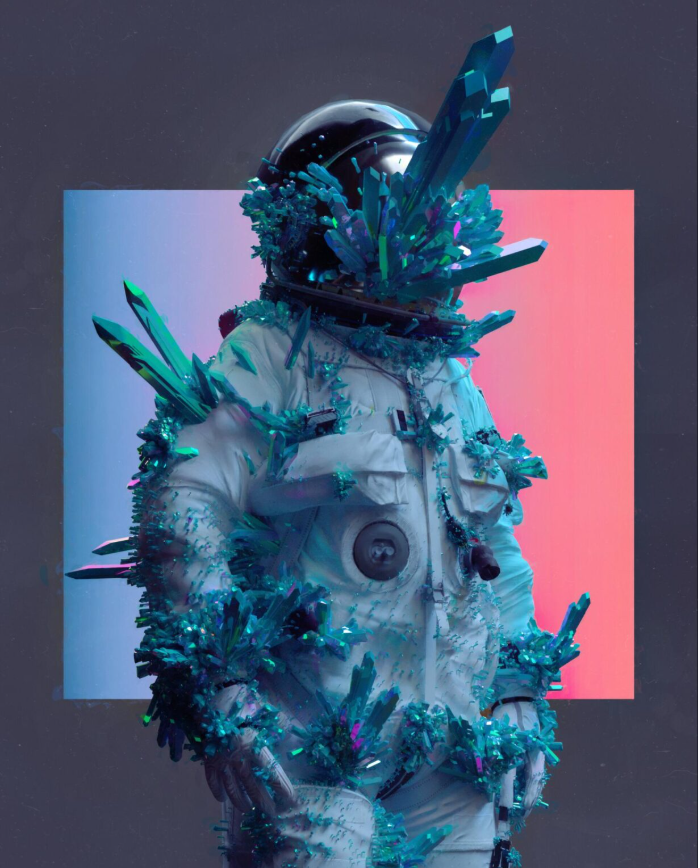
Digital art has grown exponentially over the past decade, driven by advancements in technology and a global shift toward virtual experiences. In 2024, the global digital art market reached a valuation of $683.9 million, with millions of artists and collectors participating worldwide. This growth reflects a maturing market, where quality and innovation take precedence over fleeting trends. Key drivers of this growth include the increasing accessibility of digital tools and platforms, as well as the rise of immersive technologies like augmented reality and virtual reality.
Artists are now creating interactive experiences that allow audiences to engage with art in entirely new ways. For example, platforms like Tilt Brush enable creators to paint in 3D spaces, while AR overlays bring digital art into the physical world. AI-generated art has also become a significant force, with tools like DALL-E and Artbreeder enabling artists to push creative boundaries. These technologies blend human imagination with computational power, resulting in works that are both innovative and deeply personal.

Beyond digital art, the broader art market reflects larger social and cultural shifts. Sustainability is at the forefront, with artists exploring eco-friendly materials and themes that speak to the urgency of climate change. Biophilic designs—art inspired by nature—are becoming increasingly popular as people seek solace in creativity amidst a turbulent world.
The art market also mirrors economic and geopolitical realities. Inflation and shifting global trade dynamics are reshaping buyer priorities, yet these challenges have fueled growth in unconventional art hubs. Cities like Lagos, Milan, and Dubai are emerging as vibrant centers of artistic innovation, challenging long-held perceptions of where art flourishes.
As we navigate 2025, digital art continues to challenge conventions and inspire innovation. Whether you're an artist, collector, or admirer, this is a moment to embrace the possibilities of a medium that bridges tradition and technology. The future of art is here—and we can't miss digital art!


