Collecting Art and Navigating My Art Style
Updated: May 27, 2025
Collecting art is a deeply personal and rewarding journey, but for many new buyers, the process of discovering what kind of art truly speaks to you can feel overwhelming. Collecting art and navigating my art style can be hard to find with countless styles, mediums, and artists to explore.

Whether you’re a first-time buyer or looking to refine your collection, this guide will help you navigate the art world and find pieces that resonate with you.
Explore and Observe
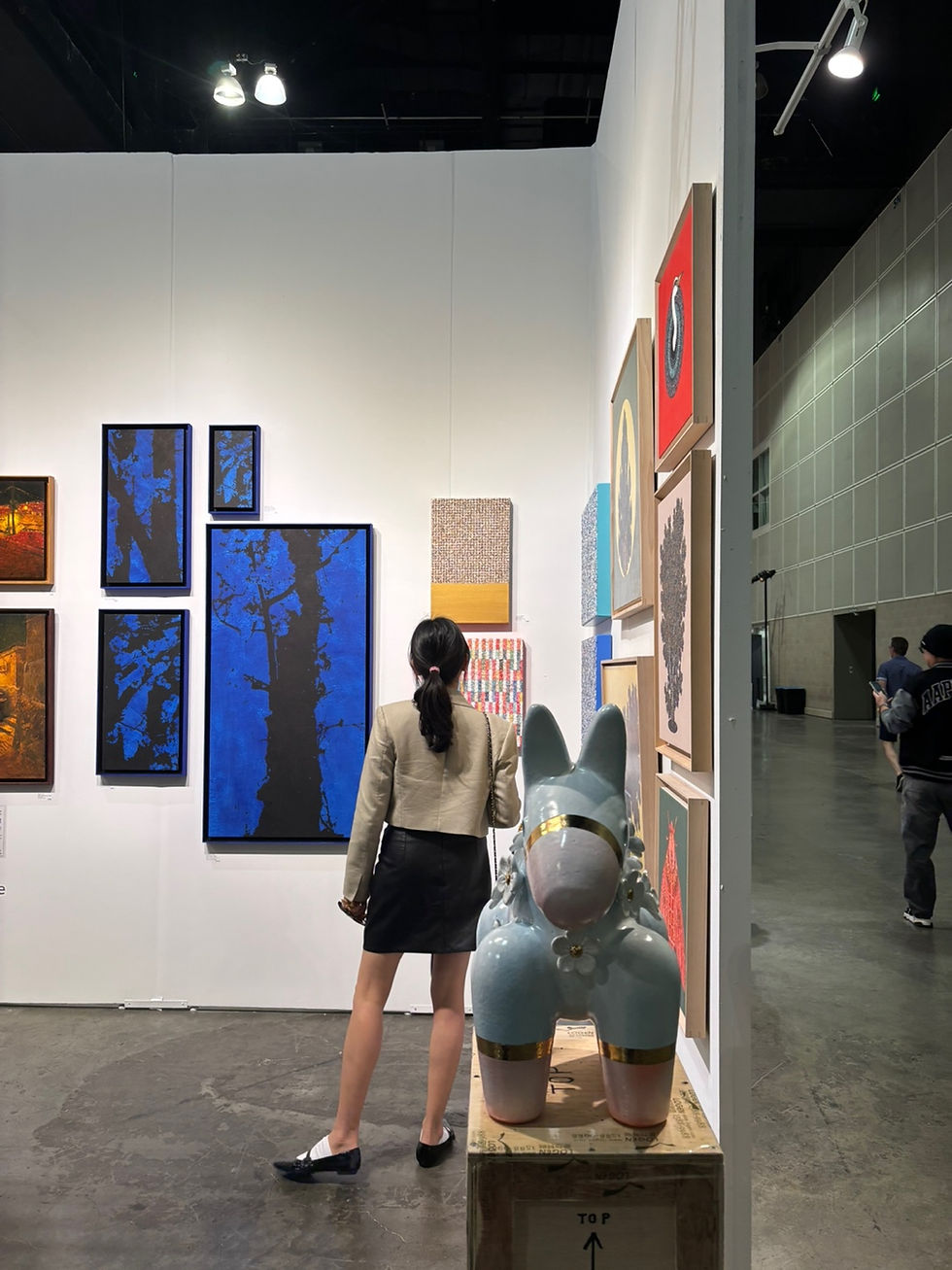
The first step in discovering your art preferences is exposure. Visit museums, galleries, and art fairs to immerse yourself in different styles and periods. Online platforms, art books, and exhibitions also offer valuable insights. As you explore, pay attention to what captivates you—are you drawn to abstract expressionism, classic landscapes, or contemporary mixed-media pieces? Take notes or save images of artworks that stand out to you.
Understand Your Emotional Connection
Art is more than just decoration—it should evoke emotion and reflect your personality. Ask yourself: Does this piece make me feel inspired, nostalgic, or challenged? Do I prefer art that tells a story or work that is purely aesthetic? Understanding your emotional response to art is key in making informed choices.
Define Your Aesthetic Preferences
Beyond emotion, consider the visual elements that attract you. Do you like bold colors or muted tones? Are you drawn to realism, impressionism, or conceptual pieces? Identifying these preferences will help narrow down your choices and develop a cohesive collection.
Educate Yourself on Artists and Movements
Learning about different art movements and artists will deepen your appreciation and help you make informed purchases. Research the history behind various styles and explore the works of both established and emerging artists. This knowledge will guide your decisions and make collecting more meaningful.
Start Small and Experiment
You don’t need to make an immediate large investment. Start with smaller pieces, prints, or works by emerging artists. This allows you to experiment with different styles without a significant financial commitment. Over time, your taste will evolve, and you’ll gain confidence in your selections.
Set a Budget and Buy What You Love
Art collecting should be both enjoyable and sustainable. Establish a budget that aligns with your financial comfort while allowing for meaningful acquisitions. Most importantly, buy what you love rather than following trends or purchasing purely for investment purposes.
Seek Expert Guidance
If you’re uncertain, consider consulting an art advisor or gallerist. They can provide insights into quality, authenticity, and market value, helping you make informed decisions. Art professionals can also introduce you to artists and pieces you may not have discovered on your own.
Trust Your Instincts
At the end of the day, the best art collection is one that reflects your personal taste and vision. Don’t feel pressured to conform to popular opinions—if a piece speaks to you, it’s the right choice for your collection.
Conclusion
Finding the art you love is a journey of exploration, self-discovery, and education. By immersing yourself in the art world, identifying your preferences, and trusting your instincts, you will build a collection that brings joy and inspiration. Whether you’re collecting for passion, investment, or both, the key is to enjoy the process and let your collection grow organically.